

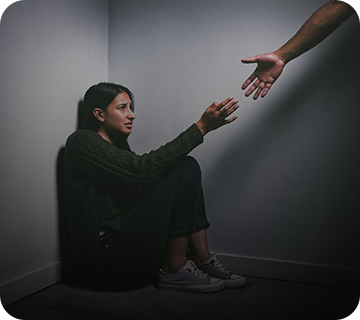
Trauma is a powerful and sometimes terrifying force. It doesn’t just impact the victim in the moment of the event but continues to affect them in ways many people can’t see. In his book The Wrath of Trauma, Dr. Dudley Chewning reveals how trauma, particularly in the form of Post-Traumatic Stress Disorder (PTSD), leaves invisible wounds that can last a lifetime. These invisible wounds, though not physically visible to the naked eye, often have a more profound and lasting impact on a person’s life than any physical injury.
Dr. Chewning, a retired U.S. Air Force Lieutenant Colonel and trauma expert, takes us on a deeply personal and professional journey to understand the physiological and psychological impacts of trauma, specifically PTSD. By combining scientific explanations with real-life stories, he helps us understand how trauma memories persist in the mind and body, affecting everything from our physical health to our daily behavior.
The Persistence of Trauma Memory: More Than Just a Mental Strain
One of the most striking aspects of trauma is how it remains with us long after the event. When we experience something traumatic, whether it’s a battle in combat, a car accident, or an assault, the memory doesn’t simply fade like other experiences. According to Dr. Chewning, trauma memories are stored differently from regular memories. While typical memories are processed in the hippocampus, trauma memories are lodged deep within the survival parts of the brain, such as the amygdala and brainstem. These areas are primarily concerned with our physical survival and respond to danger, fear, and stress.
Because trauma memories are embedded in these primitive brain structures, they are not always processed coherently. Unlike ordinary memories that are stored with context and narrative, trauma memories often appear fragmented and jumbled. They can resurface unexpectedly, triggered by seemingly benign things like a loud noise, a certain smell, or even a feeling of unease. These triggers don’t just bring the memory back; they often bring back the same fear, anxiety, and distress felt in the moment of the trauma.
This phenomenon is what makes PTSD so challenging to overcome. It’s not just about remembering what happened; it’s about feeling as though the trauma is happening again, right in that moment. The mind may know that the danger is no longer real, but the body doesn’t always get the message. The heart races, the breath shortens, and the body experiences the same fight-or-flight response it did when the trauma first occurred.
The Physical Toll: Trauma’s Impact on the Body
Trauma’s grip on the body is far more than a psychological experience. Dr. Chewning explains that trauma can alter the body’s nervous system, especially the autonomic nervous system (ANS), which controls vital functions such as heart rate, breathing, and digestion. The ANS has two branches: the sympathetic nervous system (SNS) and the parasympathetic nervous system (PNS). The SNS is responsible for the body’s fight-or-flight response, while the PNS helps the body relax and recover after stress.
When someone experiences trauma, their SNS can become overactive, leading to a heightened state of alertness known as hypervigilance. The body is constantly on edge, scanning for threats. This can lead to chronic stress, insomnia, and difficulty relaxing. Over time, this state of perpetual tension can wreak havoc on the body. Trauma survivors often experience digestive problems like irritable bowel syndrome (IBS), headaches, and chronic pain. Their immune systems may also be weakened, making them more susceptible to illness.
Dr. Chewning emphasizes the critical role of the vagus nerve, which is part of the parasympathetic nervous system, in regulating trauma responses. When the vagus nerve is functioning optimally, it helps the body shift back into a state of calm after stress. However, trauma can disrupt vagal tone, making it difficult for the body to return to a balanced state. This dysregulation can cause both physical and emotional exhaustion, as the body becomes stuck in a constant state of fight-or-flight mode.
The Psychological Strain: Emotions, Relationships, and Mental Health
On the psychological level, trauma doesn’t just create distressing memories; it also shapes how a person perceives the world. People with PTSD often feel emotionally numb, detached from others, and disconnected from reality. They may struggle with feelings of guilt, shame, or anger, especially if they blame themselves for their traumatic experiences. Dr. Chewning describes these feelings as a deep internal struggle, as trauma survivors wrestle with their emotional pain in silence.
Relationships are often the first casualty of PTSD. When a person feels emotionally disconnected from the world, it’s challenging to connect with others, especially loved ones. The trauma survivor may become withdrawn or irritable, often pushing away those who care about them. In his book, Dr. Chewning shares stories of individuals who have experienced profound shifts in their relationships due to the effects of trauma. While they might appear fine on the surface, inside, they are still fighting the invisible war of their memories.
This emotional toll also affects the individual’s sense of self. PTSD can cause people to question their identity, making them feel unworthy or broken. The dissonance between how they see themselves and how they feel inside can lead to depression, anxiety, and a lack of hope. However, Dr. Chewning emphasizes that trauma doesn’t define a person. With the proper support, healing is possible, and the individual can begin to rebuild their life and relationships.
The Importance of Compassionate Healing
While trauma can leave deep scars, healing is not only possible, it is essential. Dr. Chewning discusses various methods for treating trauma, highlighting the importance of not just medical intervention but also emotional and spiritual support. He encourages a holistic approach to trauma recovery that includes therapy, community support, and, for many, a faith-based approach to healing. He draws attention to how vital it is for trauma survivors to feel understood, supported, and safe in their journey to recovery.
Through his personal and professional experiences, Dr. Chewning advocates for peer support and open dialogue. Trauma survivors don’t have to face their pain alone. When people are ready to talk, creating a safe space for them to share their experiences is vital. By acknowledging the impact of trauma, both on the mind and body, we can begin to dismantle the stigma surrounding PTSD and foster a society that offers compassion and understanding.
Conclusion: The Path to Recovery
The invisible wounds of trauma, as described in Dr. Chewning’s The Wrath of Trauma, remind us that the effects of trauma are far-reaching, affecting not only the mind but the body as well. PTSD is not just a mental health issue; it is a physiological and emotional experience that shapes the survivor’s entire world. Understanding this complexity is the first step toward healing.
Dr. Chewning’s insights offer hope, showing us that while trauma may leave scars, it does not have to define us. Healing is possible through a compassionate approach that addresses both the mind and body. By recognizing the invisible wounds of trauma, we can help individuals reclaim their lives and move forward with strength and resilience.